

Projects Under Study
ТӨСЛИЙН ЖАГСААЛТ
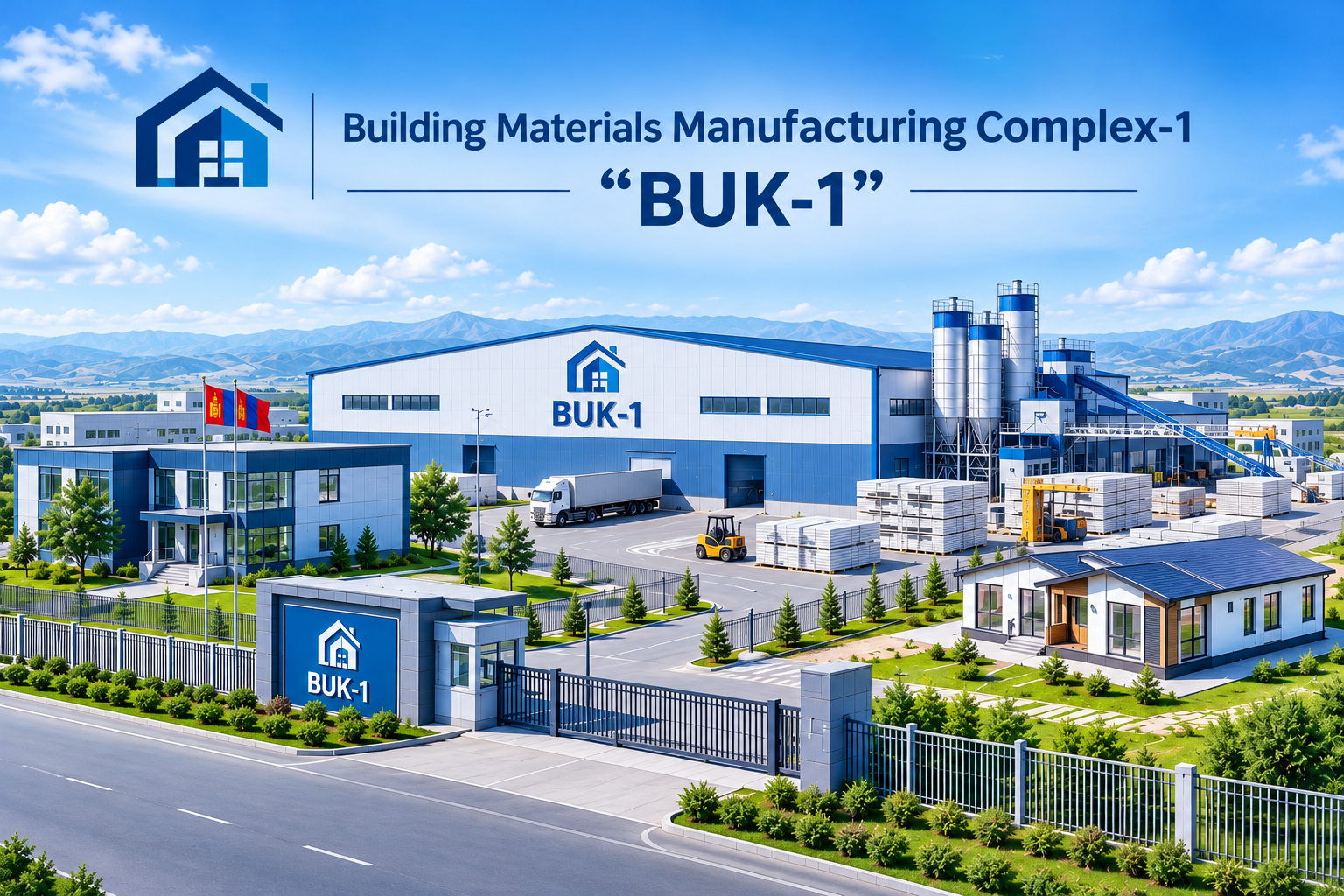

Building Manufacture Plant-1 "BUK-1"
1. Sustainable Development of Domestic Production and Supply: Establish a framework for the stable domestic supply of precast reinforced concrete structures and products required for state-implemented projects, including new city developments, engineering infrastructure, schools, kindergartens, hospitals, and residential buildings. 2. Full Capacity Utilization: Fully utilize the plant's production capacity of up to 150,000 m² of precast structures annually to increase the domestic manufacturing and supply of construction materials. 3. Supporting Housing and Public Building Construction: Support the supply of precast reinforced concrete structures and components necessary for the construction of up to 3,000 housing units per year, as well as public facilities and infrastructure.
- Project status It is in the full analysis phase.
- Project proponent Private Sector
- Project phase Phase 3
₮
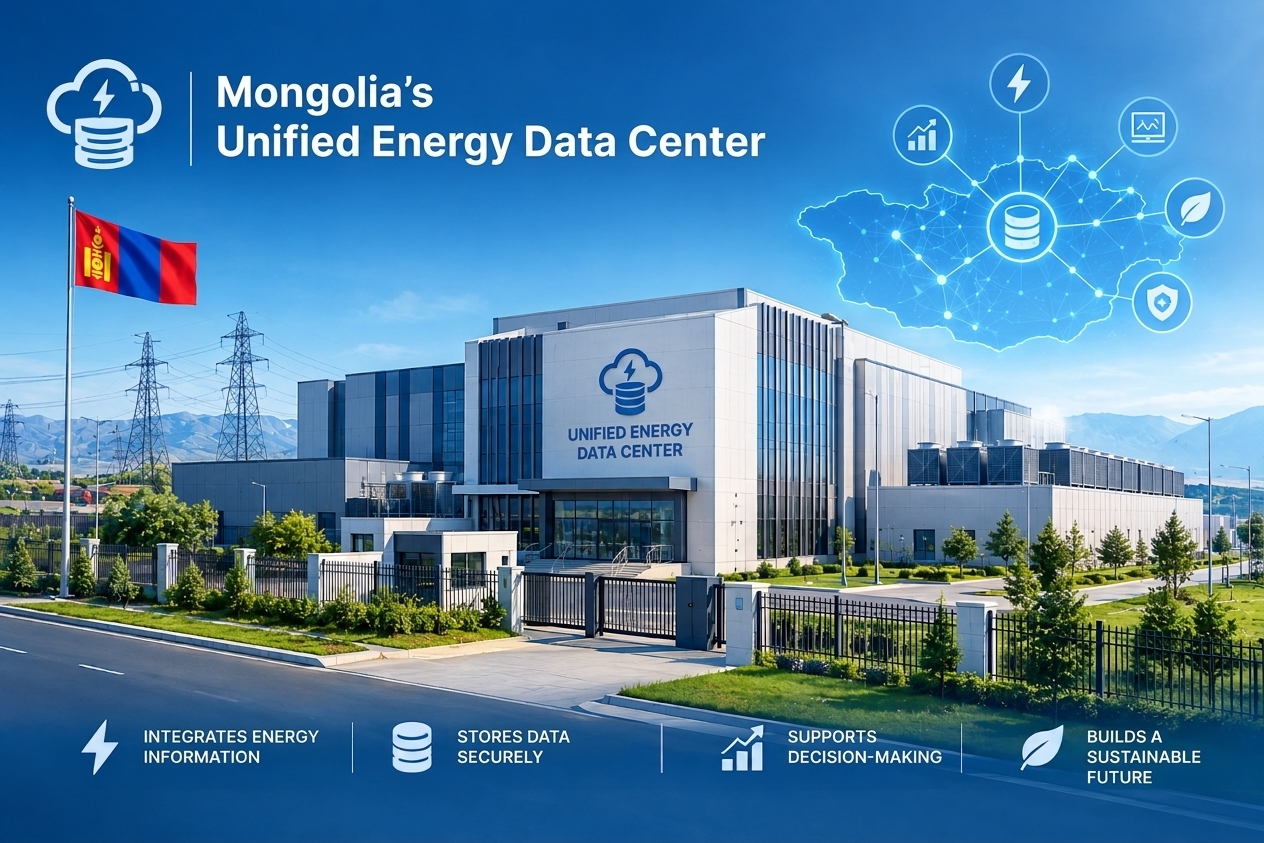
National Energy Data Center of Mongolia
1. Enhancing Energy Efficiency The objective is to reduce energy losses by more than 30 percent below the national average by 2028 and align them with international best practices by 2035. Implementing smart control and monitoring systems—such as SCADA, DMS, and EMS—will optimize power grid operations, enabling a reduction in transmission and distribution losses from 12–18 percent down to 8–10 percent. 2. Increasing Renewable Energy Utilization In line with the target to increase the share of renewable energy to 35 percent by 2035, the integrated use of solar, wind, and ground-source heat pump technologies will be promoted to foster energy-efficient and environmentally friendly energy consumption. 3. Waste Heat Recovery By utilizing the 45–55°C waste heat generated from IT equipment for building heating, up to 83 percent of the waste heat—amounting to up to 300 kW—can be recovered. This will not only fully satisfy the building's thermal energy requirements but also enable the supply of up to 372 kW of excess thermal energy to external consumers.
- Project status It is currently in the preliminary evaluation stage.
- Project proponent Private Sector
- Project phase Phase 2
₮

Power Plant Cooling Water Energy Recovery Project Based on Heat Pumps
"This project is of significant importance for achieving the goal of reducing greenhouse gas emissions by 22.7 percent by 2030 under Mongolia's Nationally Determined Contributions (NDC 3.0). By utilizing heat pump technology to increase energy efficiency and reuse waste heat, it will contribute to reducing greenhouse gas emissions and supporting environmentally friendly, sustainable energy consumption."
- Project status It is in the full analysis phase.
- Project proponent Private Sector
- Project phase Phase 3
₮
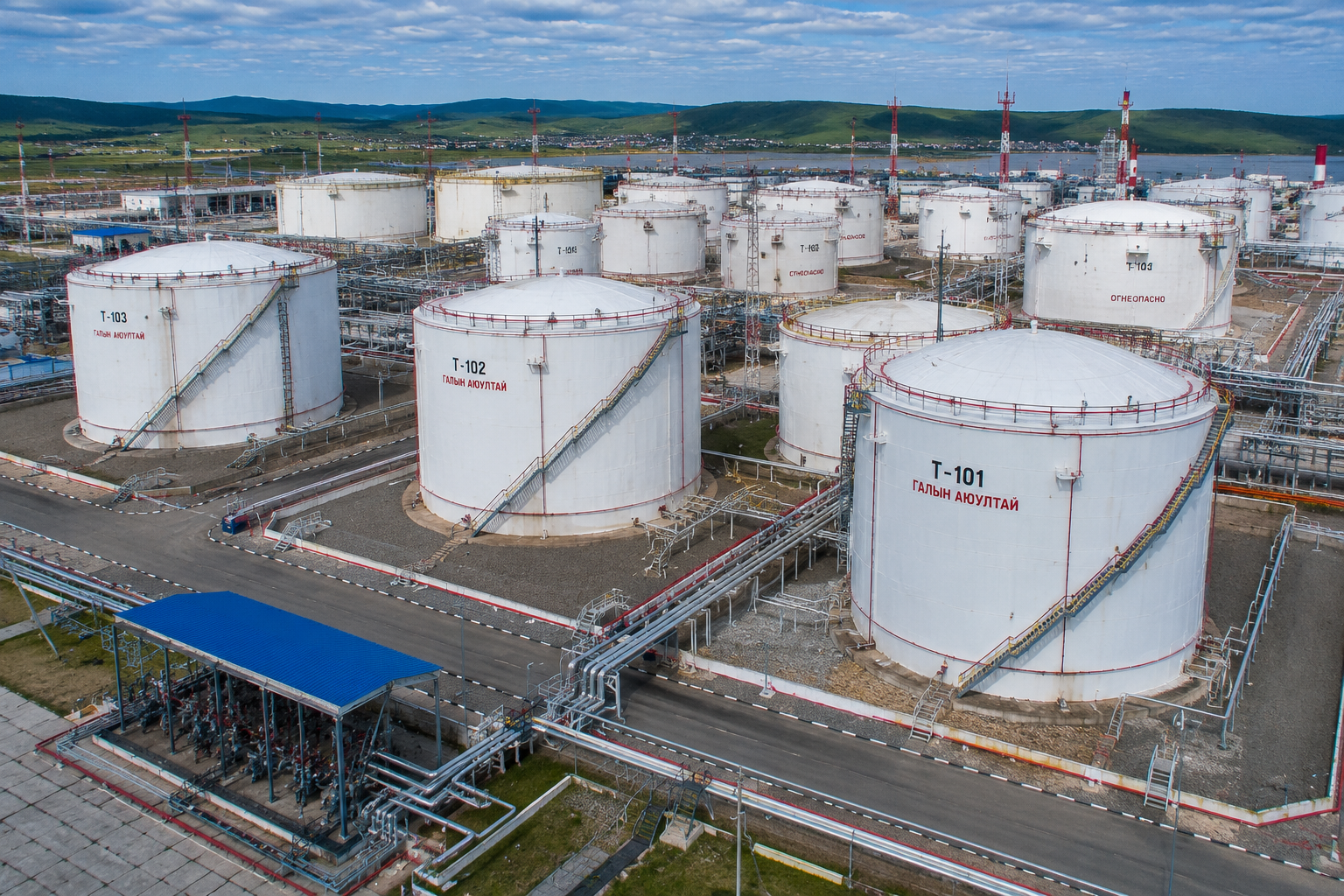
PETROLEUM PRODUCTS STORAGE FACILITY CONSTRUCTION PROJECT
Ulaangom soum, Uvs Province Tsogttsetsii soum, Ömnögovi Province Rashaant Station, Ulaanbaatar
- Project status It is in the full analysis phase.
- Project proponent Private Sector
- Project phase Phase 3
₮
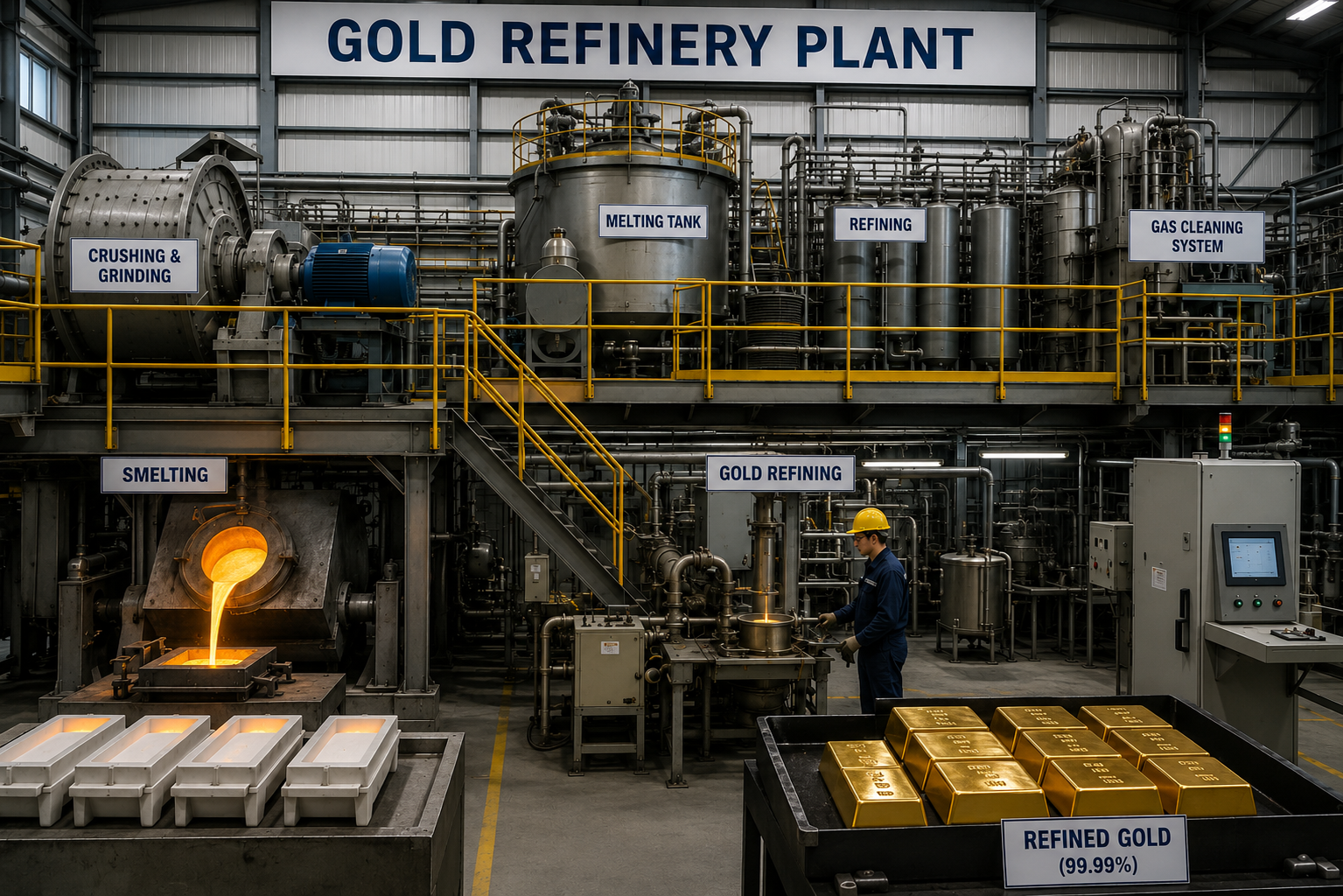
GOLD REFINERY CONSTRUCTION PROJECT
The implementation of the project will reduce the costs associated with precious metal refining abroad, including service fees, transportation, insurance, and processing time. It will enable the retention of the added value of precious metals within Mongolia, increase the country's foreign exchange reserves, support the stability of the national currency, and strengthen economic security.
- Project status It is in the full analysis phase.
- Project proponent Ministry of Industry and Mineral Resources
- Project phase Phase 3
₮

"Tavan Tolgoi 300MW+150MW Capacity Thermal Power Plant" planned to be built in Tsogttsetsii soum, Umnugovi province.
The project aims to bring the strategic deposits of the Southern region into economic circulation, fully supply electricity from domestic sources to major mines such as Tavan Tolgoi and Oyu Tolgoi, and create a new source of energy.
- Project status It is in the full analysis phase.
- Project proponent Ministry of Energy
- Project phase Phase 3
₮

"REGIONAL TRANSPORT AND LOGISTICS CENTER PROJECT TO BE ESTABLISHED IN DARKHAN-UUL PROVINCE"
To serve as the main hub for the socio-economic development of the northern part of the central region of Mongolia.
- Project status Under full analysis stage
- Project proponent
- Project phase Phase 3
₮
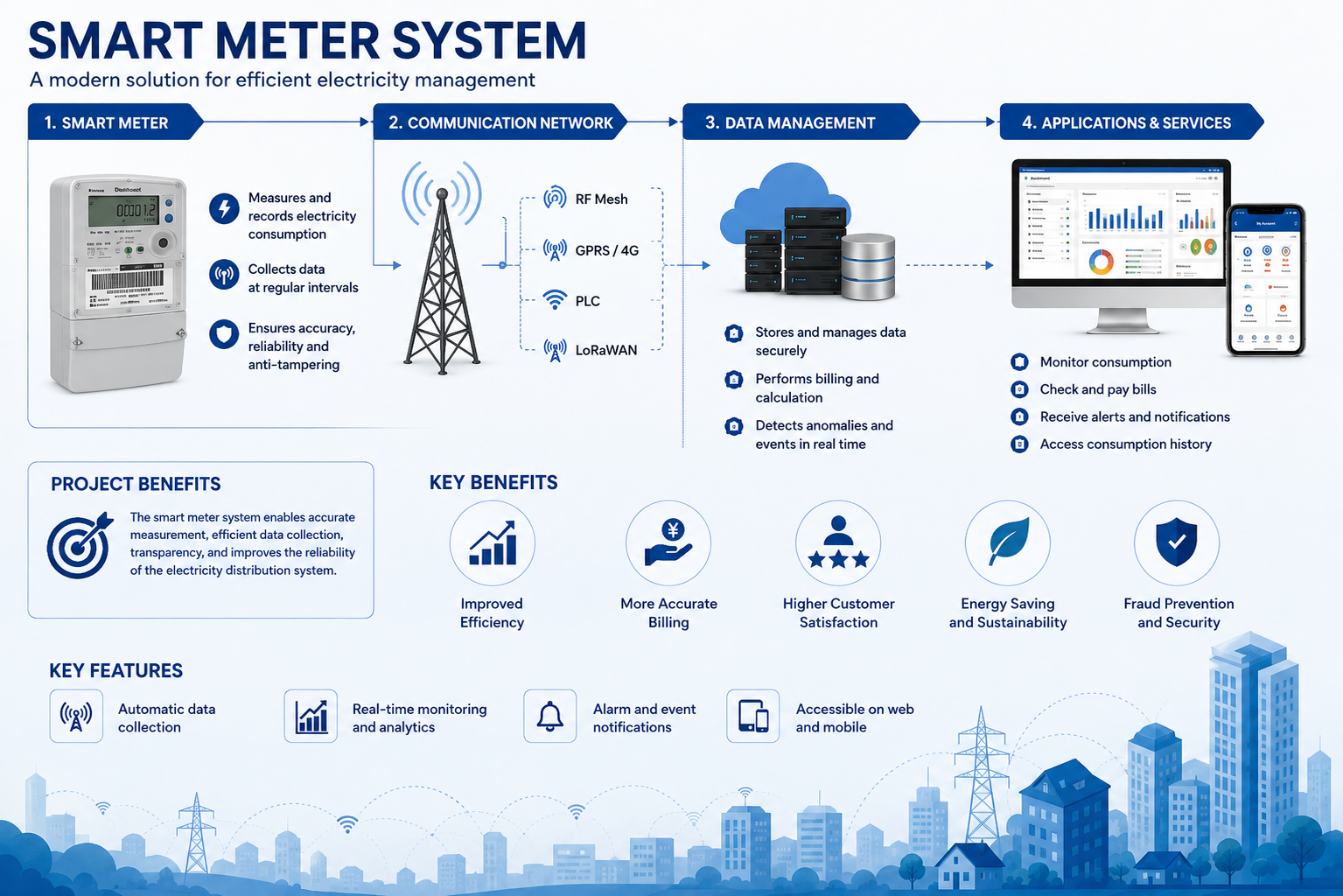
"SMART METER (AMI) IMPLEMENTATION PROJECT"
The Smart Meter (AMI) Implementation Project aims to digitize the measurement and billing processes, improve the quality and transparency of customer service, reduce non-technical losses, and implement data-driven management.
- Project status It is in the full analysis phase.
- Project proponent Private Sector
- Project phase Phase 3
₮

“Erdenet Pumped Storage Hydropower Plant” Project
The project aims to increase electricity generation by constructing a 50 MW pumped storage hydropower plant in Bayangol Soum, Orkhon Province.
- Project status It is in the full analysis phase.
- Project proponent Private Sector
- Project phase Phase 3
₮

Taivan Transport Terminal
A comprehensive service complex and freight transport terminal for coal transport operators along the Tavan Tolgoi – Gashuunsukhait route
- Project status A full analysis has been done.
- Project proponent Private Sector
- Project phase Phase 4
₮

Project for Strengthening and Expanding Category 4C and 4D Aerodromes at Airports in Four Provinces
Preliminary assessments are underway for the project aimed at increasing the capacity of airports by upgrading "Choibalsan" airport in Dornod Province, "Murun" airport in Khuvsgul Province, and "Khovd" airport in Khovd Province to category 4C, and "Gurvan Saikhan" airport in Umnugovi Province to category 4D.
- Project status A preliminary assessment has been completed.
- Project proponent Ministry of Road and Transport Development
- Project phase Phase 2
₮

Murun–Uliastai Paved 261 km Highway Project
Connecting provincial centers to improve transportation and logistics competitiveness, enhance the capacity for tourism passenger flow and mining freight transport, increase exports, and establish the fundamental conditions for preserving the pristine natural environment.
- Project status A partnership agreement is in the process of being signed.
- Project proponent Private sector
- Project phase Phase 5
₮

Artsuur – Nariinsukhait – Shiveekhuren 1250 km Railway Construction Project
To connect the northern and central corridors between Europe and Asia, increase transit transport, reduce freight costs in the western region, promote the development of urban centers, support the growth of the agriculture and mining sectors, and boost export volumes.
- Project status A full analysis project team is being formed and working.
- Project proponent Private sector
- Project phase Phase 3
₮

Khentii Province, Tsenkhermandal Soum – 100 MW Pumped Storage Hydropower Plant Project
The project aims to generate 292 million kWh of electricity annually and play a critical role in load regulation during peak hours within the central energy system of Mongolia. By reducing energy imports and supporting local livelihoods and industrial development, the project will serve as a strategic domestic energy source of national significance.
- Project status A full analysis project team is being formed and working.
- Project proponent Ministry of Energy
- Project phase Phase 3
₮

30 MW Peaking Hydropower Plant Project in Buutsagaan and Bumbugur Soums, Bayankhongor Province
The project aims to produce 59 million kWh of electricity annually and supply it to the central power grid, meeting the demand of Bayankhongor and Uvurkhangai provinces. It will increase the share of renewable energy and provide grid regulation capacity during peak demand and emergencies.
- Project status The selection of a private sector partner is underway.
- Project proponent Ministry of Energy
- Project phase Phase 4
₮

113 km Darkhan–Altanbulag Road Widening and Upgrade Project
By expanding and upgrading the road, it will serve as a starting point for supporting the Mongolia-Russia-China economic corridor and make a significant contribution to regional development.
- Project status It is in the full analysis phase.
- Project proponent Ministry of Road and Transport Development
- Project phase Phase 3
₮

Hazardous Waste Processing Plant Project in Sergelen Soum, Tuv Province
To process hazardous waste for reuse, produce value-added products, and reduce the amount of waste being disposed of in landfills.
- Project status A preliminary assessment has been completed.
- Project proponent Ministry of Environment and Climate Change
- Project phase Phase 2